What Is Laser Skin Resurfacing?
Laser skin resurfacing is one of the most powerful and versatile tools in modern dermatology, using concentrated beams of light energy to precisely remove or remodel damaged skin layers and stimulate the body's natural collagen production. Unlike chemical peels, which use acid solutions to dissolve damaged tissue, lasers offer unparalleled precision — the depth of treatment can be controlled to within fractions of a millimeter, allowing practitioners to treat specific layers of the skin while leaving surrounding tissue intact. This precision translates to more predictable results, faster healing, and the ability to treat conditions ranging from fine lines and sun damage to deep wrinkles, surgical scars, and severe acne scarring.
The field of laser dermatology has evolved dramatically since the first CO2 lasers were used for skin resurfacing in the 1990s. Early laser treatments involved removing the entire surface of the skin in the treatment area, resulting in dramatic improvement but also significant pain, prolonged recovery (often 2-4 weeks of raw, oozing skin), and a substantial risk of complications including scarring, infection, and permanent pigmentation changes. The introduction of fractional laser technology in the mid-2000s revolutionized the field by treating only a fraction of the skin surface — creating thousands of microscopic treatment zones surrounded by intact skin — which dramatically reduced recovery time and complications while maintaining excellent clinical results.
For medical tourists considering laser skin resurfacing abroad, the investment in equipment is a critical factor in choosing a clinic. Professional-grade laser platforms from manufacturers like Lumenis, Cynosure, Syneron-Candela, and Cutera cost hundreds of thousands of dollars, and clinics must invest in regular maintenance and calibration to ensure consistent, safe results. Leading international clinics like Estethica Ataşehir Hospital invest in the same premium laser platforms used by top dermatology practices in the USA and Europe, including the Lumenis UltraPulse CO2, Fraxel Dual, and PicoSure Pro. The lower cost of laser treatments abroad is not due to inferior equipment but to lower facility costs, practitioner fees, and competitive market pricing.
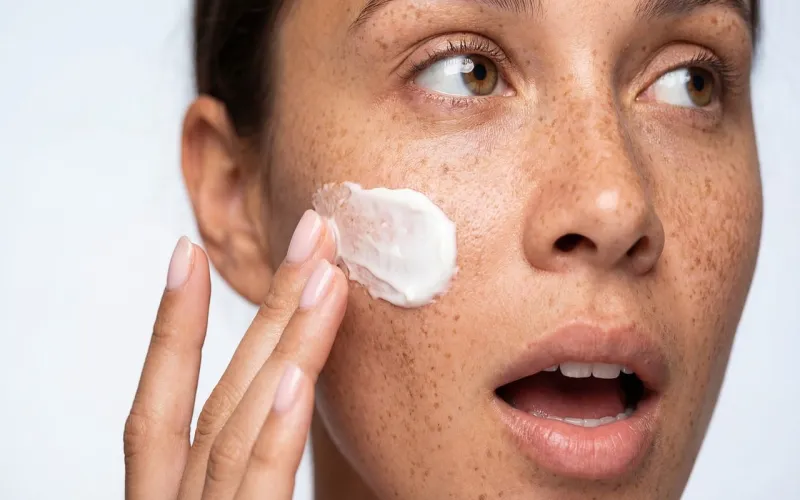
Ablative vs Non-Ablative Lasers
Understanding the distinction between ablative and non-ablative lasers is fundamental to choosing the right treatment. Ablative lasers work by vaporizing the outer layers of damaged skin tissue, physically removing the epidermis and part of the dermis. This triggers an intense wound healing response that produces significant collagen remodeling and dramatic skin improvement. The two primary ablative lasers are carbon dioxide (CO2) lasers and erbium YAG lasers. When used in fractional mode — creating thousands of tiny treatment channels surrounded by untreated skin — ablative lasers achieve excellent results with significantly less downtime than traditional full-surface ablation, typically 5-10 days of recovery for fractional CO2 compared to 2-4 weeks for traditional CO2 resurfacing.
Non-ablative lasers, in contrast, deliver energy to the dermal layer without removing or damaging the skin surface. They work by heating the collagen fibers in the dermis, causing them to contract and stimulating new collagen production over the following weeks and months. Because the skin surface remains intact, non-ablative treatments involve minimal downtime — typically just redness and mild swelling for 1-3 days. Popular non-ablative lasers include the Fraxel Dual (1550nm erbium fiber laser), the Clear + Brilliant (gentle fractional laser for maintenance), and various pulsed-dye and Nd:YAG devices. While non-ablative treatments produce more subtle results per session, a series of 3-6 treatments can achieve cumulative improvements approaching those of a single ablative treatment, making them an attractive option for patients who cannot afford extended downtime.
The choice between ablative and non-ablative lasers depends on the severity of your skin concerns, your tolerance for downtime, your skin type, and your treatment goals. For moderate to severe wrinkles, deep scars, and significant sun damage, a single ablative fractional CO2 treatment will deliver the most dramatic improvement. For mild to moderate concerns, prevention-focused care, or patients with darker skin types (who face higher risks with ablative lasers), a series of non-ablative treatments offers a safer, more gradual approach. Many clinics also offer hybrid treatments that combine a mild ablative pass with a non-ablative pass in the same session, providing a balance of efficacy and recovery that suits many patients.
Laser Types: CO2, Erbium, Fraxel & PicoSure
The fractional CO2 laser is the gold standard for ablative skin resurfacing and remains the most powerful laser treatment available for wrinkle reduction, scar revision, and skin rejuvenation. The CO2 laser operates at a wavelength of 10,600nm, which is strongly absorbed by water in the skin tissue, allowing it to precisely vaporize targeted tissue while generating significant thermal energy in the surrounding dermis. This thermal effect is what drives the remarkable collagen remodeling that continues for 3 to 6 months after treatment, progressively tightening and smoothing the skin. The Lumenis UltraPulse is considered the premium CO2 laser platform, offering both the DeepFX mode for deep dermal remodeling and the ActiveFX mode for more superficial resurfacing, which can be combined in a single treatment session for comprehensive skin rejuvenation.
The erbium YAG laser (2,940nm wavelength) is an alternative ablative laser that offers a different risk-benefit profile compared to CO2. Erbium is more precisely absorbed by water than CO2, meaning it ablates tissue with less residual thermal damage to surrounding tissue. This translates to faster healing and a lower risk of complications, particularly hyperpigmentation, making erbium an excellent choice for patients with darker skin types or those seeking moderate improvement with shorter downtime. However, the reduced thermal effect also means less collagen stimulation compared to CO2, so the results, while still excellent, are generally not as dramatic for deep wrinkles and severe scarring. Erbium is particularly well-suited for treating fine lines, mild to moderate photodamage, and superficial acne scars.
The Fraxel laser family has become synonymous with non-ablative fractional skin resurfacing. The Fraxel Dual combines two wavelengths — 1550nm for deep dermal collagen remodeling and 1927nm for superficial pigment and texture improvement — in a single device, allowing practitioners to customize treatment based on each patient's specific needs. A typical Fraxel Dual treatment requires 3 to 5 sessions spaced 4 to 6 weeks apart, with each session producing mild redness and bronzing that resolves within 3 to 7 days. The cumulative effect of a full Fraxel treatment series can be remarkable, with improvements in skin texture, tone, pore size, and fine lines that rival more aggressive treatments.
PicoSure, developed by Cynosure, represents the latest evolution in laser technology, using ultra-short picosecond (trillionths of a second) pulses rather than the nanosecond or millisecond pulses of traditional lasers. These extremely short pulses create a photomechanical effect rather than a photothermal one, shattering pigment particles and stimulating collagen production through a mechanism called laser-induced optical breakdown (LIOB). The PicoSure Focus lens array creates zones of high-intensity energy within the dermis that trigger an intense wound healing response without damaging the skin surface, making it one of the most gentle yet effective treatments for pigmentation, acne scars, and overall skin rejuvenation. PicoSure is also the treatment of choice for tattoo removal, where its ability to fragment pigment particles into tiny pieces allows the body's immune system to clear them more effectively.
Conditions Treated
Laser skin resurfacing can treat a remarkably broad range of dermatological and cosmetic conditions, making it one of the most versatile treatments available in modern aesthetic medicine. Fine lines and wrinkles, particularly around the eyes, mouth, and forehead, respond exceptionally well to both ablative and non-ablative laser treatments. Ablative fractional CO2 can reduce deep wrinkles by 50 to 70 percent in a single treatment, while a series of non-ablative Fraxel sessions can achieve 30 to 50 percent improvement with minimal downtime. The collagen remodeling triggered by laser treatment continues for months after the procedure, with progressive skin tightening and smoothing that patients notice for up to 6 months post-treatment.
Acne scarring is one of the most transformative indications for laser resurfacing. Different scar types respond to different laser approaches: shallow boxcar scars and rolling scars respond well to fractional CO2 and erbium lasers, which ablate the raised scar edges and stimulate collagen filling in the depressed areas. Ice pick scars, which are narrow and deep, may require a more targeted approach using ablative lasers at higher energy settings or in combination with other modalities like TCA CROSS (chemical reconstruction of skin scars) or subcision. At clinics like Estetik International, dermatologists create individualized scar treatment plans that may combine multiple laser types and techniques to address different scar morphologies in a single comprehensive protocol.
- Fine lines and wrinkles — ablative CO2 or erbium for deep lines, Fraxel for mild to moderate lines
- Acne scars (ice pick, boxcar, rolling) — fractional CO2 for moderate-severe, Fraxel for mild-moderate
- Sun damage and photodamage — PicoSure or Fraxel for pigmentation, fractional CO2 for textural damage
- Hyperpigmentation and melasma — PicoSure Focus for targeted pigment clearance, low-fluence 1927nm for diffuse pigment
- Surgical and traumatic scars — fractional CO2 for raised and depressed scars, PDL for red/vascular scars
- Skin laxity and texture — radiofrequency-assisted fractional lasers (Morpheus8) for combined tightening and resurfacing
- Enlarged pores — non-ablative fractional laser to stimulate dermal collagen and tighten pore openings
- Stretch marks — fractional CO2 or erbium for early (red) and mature (white) stretch marks
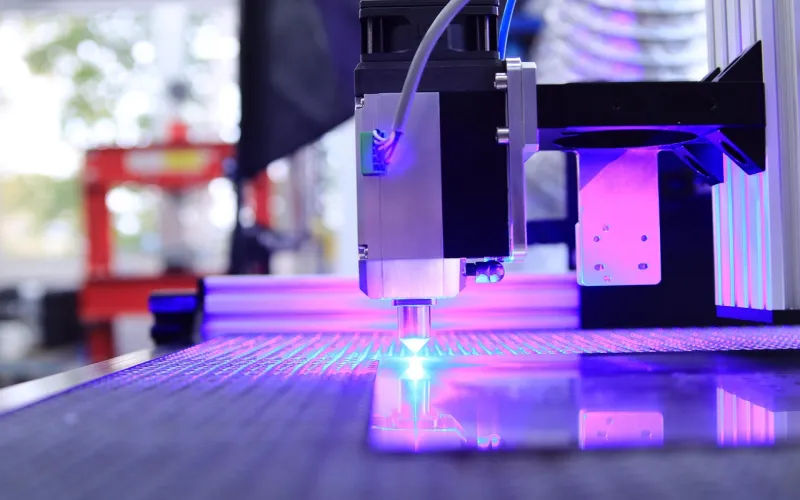
Cost Comparison by Country
Laser skin resurfacing is one of the most expensive non-surgical aesthetic treatments available, making it an area where medical tourism can deliver particularly significant savings. In the United States, a single full-face fractional CO2 laser treatment costs between $2,500 and $5,000, depending on the practitioner, geographic location, and laser platform used. A series of 3-5 non-ablative Fraxel Dual sessions costs $3,600 to $12,500 total, while PicoSure sessions run $600 to $1,200 each, with 3-6 sessions typically recommended. These prices often do not include the initial consultation, pre-treatment skincare products, or post-treatment recovery products, which can add several hundred dollars to the total cost.
Laser Skin Resurfacing Cost Comparison 2025
| Country | Fractional CO2 (Full Face) | Non-Ablative Fraxel | PicoSure Session |
|---|---|---|---|
| USA | $2,500 - $5,000 | $1,200 - $2,500 | $600 - $1,200 |
| UK | $2,000 - $4,000 | $900 - $2,000 | $500 - $1,000 |
| Turkey | $800 - $2,000 | $400 - $900 | $200 - $500 |
| Thailand | $1,000 - $2,500 | $500 - $1,200 | $250 - $600 |
| Mexico | $900 - $2,200 | $500 - $1,000 | $250 - $550 |
| South Korea | $800 - $2,000 | $400 - $1,000 | $200 - $500 |
| Czech Republic | $1,000 - $2,500 | $500 - $1,200 | $250 - $600 |
| Poland | $800 - $2,000 | $400 - $900 | $200 - $500 |
Prices per session for full face treatment. Multiple sessions may be required for non-ablative treatments. Prices vary based on specific laser platform and practitioner experience.
Turkey and South Korea offer the most dramatic savings for laser treatments, with prices typically 50 to 65 percent lower than in the USA. A full-face fractional CO2 treatment at Estethica Ataşehir Hospital in Istanbul costs $800 to $2,000 — a savings of up to 65 percent compared to the same treatment in New York or Los Angeles. South Korea, widely recognized as the global capital of cosmetic dermatology, offers comparable prices and is particularly renowned for its advanced laser protocols, including combination treatments that use multiple laser wavelengths in a single session for comprehensive skin rejuvenation. Korean clinics also tend to use the latest laser platforms, often adopting new technologies before they become widely available in the West.
When comparing laser treatment prices internationally, it is important to verify that the quoted price includes the same laser platform and treatment parameters you would receive domestically. A "fractional CO2" treatment on a premium Lumenis UltraPulse system will deliver different results than treatment on a less advanced or older CO2 laser platform, and the pricing should reflect this difference. Always ask the clinic to specify the exact make and model of the laser, the treatment settings (energy density, spot coverage percentage, number of passes), and whether the price includes the consultation, numbing cream, and any post-treatment products or follow-up appointments.
Recovery & Downtime
Recovery from laser skin resurfacing depends primarily on whether the treatment is ablative or non-ablative. Non-ablative treatments like Fraxel and PicoSure have minimal downtime — most patients experience redness and mild swelling for 1 to 3 days, followed by a slightly bronzed or sandpaper-like texture as the treated microscopic zones heal and the superficial crust sheds. Most patients can return to work with light makeup within 2 to 3 days and resume normal skincare within a week. Mild pinkness may persist for 1 to 2 weeks but is easily concealed with tinted moisturizer or mineral makeup.
Ablative fractional CO2 laser treatment involves a more significant recovery period that medical tourists need to plan for carefully. Immediately after treatment, the skin will be red, raw, and may ooze serous fluid. The first 3-5 days require diligent wound care: gentle cleansing with a prescribed cleanser, application of a healing ointment (such as Aquaphor or a prescription barrier cream) several times daily, and avoidance of sun exposure and all active skincare products. Days 5-7 bring the active peeling phase, where the treated skin darkens, crusts, and gradually separates to reveal fresh, pink skin underneath. By day 7-10, most of the crusting has resolved, and light mineral makeup can be applied to conceal the residual pinkness.
For medical tourists planning ablative laser treatment abroad, a minimum stay of 5 to 7 days at the treatment destination is recommended. This allows for the initial consultation and treatment on days 1-2, wound management and monitoring during the critical first 48-72 hours, a follow-up appointment around day 5 to assess healing and adjust the aftercare protocol if needed, and a final check before departure. Clinics like Acıbadem Maslak Hospital offer dedicated international patient coordinators who can help arrange accommodation near the clinic, schedule follow-up visits, and provide 24-hour emergency contact information for the post-treatment period. Some patients choose to combine their recovery period with a quiet hotel stay in Istanbul's historic district, using the downtime to explore the city at a leisurely pace once the initial healing phase is complete.
Choosing the Right Laser
Choosing the right laser treatment is a decision that should be made in consultation with a qualified dermatologist based on your specific skin concerns, skin type, lifestyle, and tolerance for downtime. As a general guide: if your primary concern is deep wrinkles, severe sun damage, or significant acne scarring, and you can tolerate 7-10 days of downtime, fractional CO2 laser offers the most dramatic single-treatment improvement. If you want moderate improvement with less downtime, erbium YAG provides a gentler ablative option with 5-7 days of recovery. If you prefer minimal downtime and a gradual approach, a series of Fraxel or PicoSure sessions delivers cumulative improvement with only 2-3 days of redness per session.
Skin type is a critical consideration in laser selection. Patients with Fitzpatrick skin types I-III are candidates for virtually all laser treatments, including aggressive ablative CO2 resurfacing. Skin types IV-V should generally avoid aggressive ablative lasers and opt for erbium (which has a lower risk of post-inflammatory hyperpigmentation), non-ablative Fraxel at conservative settings, or PicoSure, which has a favorable safety profile across all skin types. Skin type VI patients should work exclusively with dermatologists experienced in treating deeply pigmented skin and should typically limit laser treatments to Nd:YAG-based systems and low-energy non-ablative platforms.
Budget is another important factor, and this is where medical tourism provides a significant advantage. At domestic USA prices, many patients can only afford one type of laser treatment. At international prices, the same budget might allow for a combination approach — for example, a single ablative fractional CO2 session for deep resurfacing followed by 2-3 non-ablative sessions for ongoing refinement — delivering superior results than a single modality approach. Discuss these combination possibilities with your chosen international clinic during the pre-treatment consultation to develop a comprehensive treatment plan that maximizes your results within your budget.
Ready to explore laser skin resurfacing options abroad? Compare prices from verified aesthetic clinics worldwide and save up to 65% on premium laser treatments.
Browse Aesthetic ClinicsFrequently Asked Questions
Frequently Asked Questions
Which laser is best for acne scars?
Fractional CO2 laser is generally considered the gold standard for moderate to severe acne scars, offering 50-70% improvement in a single session. For mild scars, a series of Fraxel or microneedling RF sessions may be sufficient. The best approach depends on scar type — ice pick, boxcar, and rolling scars each respond differently to various laser treatments.
How many laser sessions do I need?
Ablative fractional CO2 typically requires 1-2 sessions. Non-ablative Fraxel requires 3-5 sessions spaced 4-6 weeks apart. PicoSure requires 3-6 sessions. Your dermatologist will recommend a treatment plan based on your specific concerns and the degree of improvement desired.
Is laser skin resurfacing painful?
Topical numbing cream is applied 30-60 minutes before treatment, and some clinics offer nerve blocks or mild sedation for more aggressive treatments. Non-ablative treatments feel like a warm, prickling sensation. Ablative treatments can be uncomfortable despite numbing, but the procedure lasts only 20-45 minutes. Post-treatment discomfort is manageable with over-the-counter pain relief.
Can I get laser treatment on dark skin?
Yes, but laser selection must be careful. PicoSure, low-fluence Fraxel, and Nd:YAG-based lasers are generally safe for Fitzpatrick skin types IV-VI. Aggressive ablative CO2 is not recommended for darker skin types due to the risk of post-inflammatory hyperpigmentation or depigmentation. Choose a clinic experienced in treating diverse skin types.
How long do laser resurfacing results last?
Results from ablative CO2 laser can last 5-10 years for wrinkle reduction, as the collagen remodeling is long-lasting. However, normal aging and sun exposure will gradually create new changes over time. Non-ablative results are maintained best with annual maintenance sessions. Consistent sunscreen use is essential to preserve results.
When can I fly after laser treatment?
After non-ablative treatments (Fraxel, PicoSure), you can fly the next day. After ablative fractional CO2, wait at least 5-7 days until the active healing phase is complete and there are no open wounds. The dry cabin air can be uncomfortable for healing skin, so apply extra moisturizer and barrier cream during the flight.