Understanding Acne Scar Types
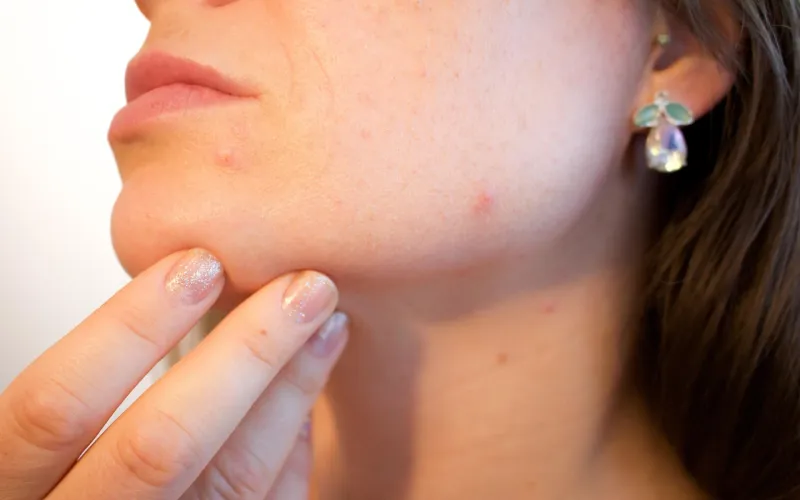
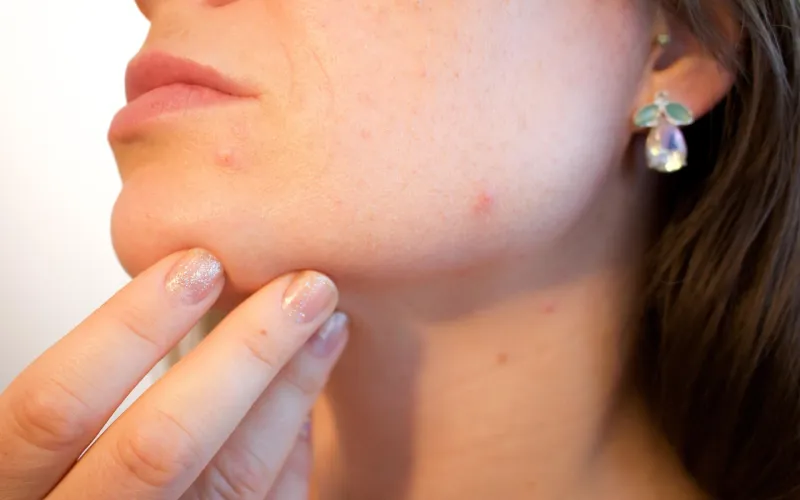
Acne scars form when the skin's normal healing process is disrupted by inflammatory acne lesions. When a severe breakout penetrates deep into the skin, it damages the underlying tissue. As the skin attempts to repair itself, it produces either too little collagen (creating atrophic scars — depressions in the skin) or too much collagen (creating hypertrophic or keloid scars — raised tissue). Understanding your specific scar type is the first and most important step in treatment, as each type responds differently to various interventions. A proper dermatological assessment with good lighting and sometimes cross-polarized photography is essential for accurate classification.
Ice pick scars are the most challenging atrophic scar type — narrow, deep, sharply demarcated indentations that extend into the deep dermis or even subcutaneous fat. They resemble small holes made by an ice pick, typically measuring less than 2mm wide but extending very deep. Ice pick scars are best treated with TCA CROSS (Chemical Reconstruction of Skin Scars) — a technique where high-concentration TCA (70-100%) is precisely applied to each individual scar, causing controlled chemical destruction that triggers deep collagen remodeling from the base upward. This technique is far more effective for ice picks than surface treatments like laser resurfacing.
Boxcar scars are wider than ice pick scars (1-4mm) with sharp, well-defined vertical edges, resembling small boxes or craters in the skin. They result from inflammatory breakouts that destroy collagen in a broad area. Shallow boxcar scars (0.1-0.5mm deep) respond well to fractional laser resurfacing and microneedling, while deep boxcar scars (>0.5mm) require combination approaches including subcision (releasing the scar from underlying tissue) followed by filler or laser. Leading dermatology clinics like Estethica Ataşehir Hospital assess each scar individually, creating a map of the face that guides a customized treatment approach for each scar type and depth.
Treatment by Scar Type
Rolling scars create a wave-like, undulating appearance on the skin surface, caused by fibrous bands (tethering) between the dermis and subcutaneous tissue that pull the skin surface downward. They're typically wider than 4-5mm and relatively shallow. The primary treatment for rolling scars is subcision — a minimally invasive procedure where a needle or cannula is inserted beneath the scar to break the fibrous bands, releasing the skin surface and allowing it to rise. Subcision is often combined with filler injection (hyaluronic acid or poly-L-lactic acid) to support the released tissue and prevent re-tethering.
Hypertrophic scars and keloids are raised scars caused by excessive collagen production during the healing process. Hypertrophic scars remain within the boundaries of the original wound and often improve over time, while keloids extend beyond the wound boundaries and rarely regress spontaneously. Treatment includes intralesional corticosteroid injections (triamcinolone acetonide 10-40mg/ml) to flatten the scar, silicone sheeting to provide constant pressure and hydration, pulsed dye laser (PDL) to reduce redness and flatten tissue, and in resistant cases, surgical excision combined with post-operative radiation or injection therapy to prevent recurrence.
Post-inflammatory erythema (PIE) and post-inflammatory hyperpigmentation (PIH) are technically not scars but flat discolorations left after acne healing. PIE (red or pink marks) is caused by persistent dilation or damage to small blood vessels and responds to pulsed dye laser, vascular laser, and topical azelaic acid. PIH (brown or dark marks) results from excess melanin production and responds to chemical peels, vitamin C, niacinamide, retinoids, and gentle laser treatments. Both conditions improve naturally over 6-12 months but can be accelerated significantly with treatment. At Estetik International, practitioners carefully distinguish between true scars and post-inflammatory marks, ensuring patients receive appropriate treatment.
Laser Treatments for Acne Scars
Fractional CO2 laser is considered the gold standard for acne scar resurfacing. The fractional approach creates microscopic columns of thermal damage (microthermal treatment zones) while leaving surrounding tissue intact, allowing rapid healing while stimulating profound collagen remodeling at depth. A single aggressive fractional CO2 session can improve acne scars by 30-50%, with additional improvement over 3-6 months as collagen remodels. Most patients need 2-4 sessions for optimal results. Downtime is significant — 5-7 days of intense redness, swelling, and crusting, followed by 2-4 weeks of pinkness.
Fractional erbium YAG laser offers a gentler alternative to CO2 with less downtime (3-5 days recovery). While erbium produces less collagen stimulation per session than CO2, it causes less thermal damage, making it safer for darker skin types and suitable for patients who can't tolerate extended downtime. Multiple erbium sessions (4-6) can approximate the improvement achieved with fewer CO2 sessions. Some devices combine erbium and CO2 wavelengths, allowing practitioners to customize treatment intensity for each patient.
RF microneedling (Morpheus8, Vivace, Genius) has emerged as a versatile option for acne scars, combining microneedling's collagen induction with radiofrequency thermal energy for deeper remodeling. The insulated needles deliver RF energy at precise depths (0.5-8mm), stimulating collagen production in the deep dermis where scars originate. RF microneedling is safer than ablative lasers for darker skin types (Fitzpatrick IV-VI) because the energy is delivered subdermally, minimizing epidermal damage and pigmentation risk. Most patients need 3-4 sessions spaced 4-6 weeks apart.
- Fractional CO2: Best for moderate-severe scars, 30-50% improvement per session, 5-7 day downtime
- Fractional erbium: Gentler, safer for darker skin, 20-30% improvement per session, 3-5 day downtime
- RF microneedling: Versatile, safe for all skin types, 20-30% improvement per session, 2-3 day downtime
- TCA CROSS: Best for ice pick scars specifically, 50-70% improvement in 3-6 sessions, minimal downtime
- Subcision: Best for rolling/tethered scars, releases fibrous bands, often combined with filler
- PicoSecond laser: Good for combination treatment, less downtime, moderate improvement per session
Combination Approaches
The most effective acne scar treatment plans combine multiple modalities in a staged approach. A typical comprehensive protocol might begin with subcision for all tethered and rolling scars (session 1), followed by TCA CROSS for ice pick scars 2-4 weeks later (session 2), then fractional laser or RF microneedling for overall resurfacing after the subcision sites have healed (sessions 3-5). This sequential approach addresses each scar mechanism specifically: subcision releases tethering, TCA CROSS rebuilds deep narrow scars, and laser/RF remodels the overall skin surface.
Some practitioners perform same-day combination treatments for efficiency, particularly for medical tourism patients with limited time. Subcision can be performed immediately before fractional laser or microneedling, as the subdermal release is in a different tissue plane than the surface treatment. TCA CROSS can be applied to individual ice pick scars during the same session as broader resurfacing. At Acıbadem Maslak Hospital, dermatologists create comprehensive treatment plans that maximize improvement during each visit, making the process practical for international patients.
Between active treatment sessions, maintaining a good skincare routine supports the remodeling process. Retinoids (tretinoin 0.025-0.1%) enhance collagen production and cell turnover, vitamin C (L-ascorbic acid 15-20%) provides antioxidant support and additional collagen stimulus, and sunscreen (SPF 50+) prevents UV-induced degradation of newly formed collagen. For patients with active acne alongside scarring, it's essential to control breakouts before pursuing aggressive scar treatment — treating scars while new acne is still forming is counterproductive.
Cost Comparison by Country
Acne Scar Treatment Cost Comparison 2025
| Country | Fractional CO2 (per session) | Microneedling RF (per session) | Savings vs USA |
|---|---|---|---|
| USA | $1,000 - $5,000 | $800 - $3,000 | — |
| UK | $800 - $3,500 | $600 - $2,000 | Up to 30% |
| Turkey | $200 - $800 | $150 - $600 | Up to 85% |
| Thailand | $300 - $1,000 | $200 - $700 | Up to 80% |
| South Korea | $400 - $1,200 | $300 - $800 | Up to 70% |
| Mexico | $300 - $1,000 | $200 - $700 | Up to 75% |
| India | $150 - $600 | $100 - $500 | Up to 90% |
| Poland | $250 - $800 | $200 - $600 | Up to 80% |
Most patients need 3-6 sessions for significant improvement. Combination treatments may include additional costs for subcision, fillers, or TCA CROSS.
Acne scar treatment costs vary significantly by modality, number of sessions, and country. In the United States, a single fractional CO2 laser session costs $1,000-$5,000 depending on the treatment area and clinic. RF microneedling runs $800-$3,000 per session, subcision $500-$1,500 per session, and TCA CROSS $300-$800 per session. A comprehensive treatment plan involving multiple modalities over 6-12 months can easily total $10,000-$25,000 in the US. These costs are rarely covered by insurance, making the out-of-pocket burden significant.
Turkey provides the most affordable professional acne scar treatment, with fractional CO2 at $200-$800 per session and RF microneedling at $150-$600. Comprehensive packages combining subcision, TCA CROSS, laser resurfacing, and PRP over 3-5 sessions are available for $1,000-$3,000 total — less than a single fractional CO2 session in many US cities. Estethica Ataşehir Hospital offers dedicated acne scar programs with dermatologists who specialize in scar revision, using the same devices and techniques as top US and European clinics.
South Korea is particularly notable for acne scar treatment, as Korean dermatology has pioneered many combination scar treatment protocols. Korean clinics offer advanced treatments at $400-$1,200 per laser session, with comprehensive multi-session programs. India provides the most budget-friendly options at $150-$600 per laser session. Thailand and Mexico offer mid-range pricing with $200-$1,000 per session. For patients requiring multiple treatment modalities, the cumulative savings of treating abroad can reach $10,000-$20,000 compared to US pricing.
Treatment Planning & Timeline
Realistic expectations are essential for acne scar treatment. Even the most advanced treatments cannot achieve 100% scar elimination — the goal is significant improvement (50-80% over a complete treatment course). Most patients need 3-6 treatment sessions spaced 4-8 weeks apart, with full results visible 6-12 months after the final session as collagen continues to remodel. The total treatment timeline from first session to final assessment is typically 9-18 months, though meaningful improvement is often visible after just 2-3 sessions.
For international patients, treatment scheduling requires thoughtful planning. Some patients opt for extended stays of 2-3 months, completing 2-3 treatment sessions during their visit. Others plan shorter trips with sessions grouped closer together (2-3 week intervals instead of the standard 4-6 weeks), though this may slightly increase the risk of side effects. A third approach involves annual treatment trips, completing 1-2 sessions each visit over 2-3 years. Discuss logistics with your chosen clinic before travel to create a practical treatment schedule.
Pre-treatment preparation begins 4-6 weeks before your first session. This includes controlling active acne with appropriate medication, starting a retinoid to improve skin cell turnover, beginning vitamin C serum for antioxidant support, establishing rigorous sunscreen habits, and stopping any photosensitizing medications or supplements. Some practitioners prescribe antiviral prophylaxis (valacyclovir) for patients with a history of cold sores, as laser treatments can trigger herpes simplex reactivation around the mouth.
Choosing a Specialist Abroad
Acne scar treatment requires a higher level of expertise than most aesthetic procedures. Look for practitioners who are board-certified dermatologists with specific training in scar revision — not general aestheticians or beauty therapists. The practitioner should be able to accurately classify your scars (ice pick, boxcar, rolling, hypertrophic) and recommend a customized multi-modality treatment plan rather than a one-size-fits-all approach. Ask to see before-and-after photos specifically of acne scar patients (not general skin rejuvenation), and request references from previous scar treatment patients.
The clinic's equipment matters significantly. A well-equipped acne scar treatment clinic should have at least one ablative fractional laser (CO2 or erbium), an RF microneedling device, TCA for CROSS technique, subcision instruments, and PRP preparation capability. Clinics that offer only one treatment modality (e.g., only microneedling or only laser) cannot provide the comprehensive, multi-modal approach that evidence shows produces the best results for acne scars.
Request a virtual consultation before traveling. A video consultation with photos allows the specialist to assess your scars, recommend a treatment plan, estimate the number of sessions needed, and provide an accurate cost estimate. This prevents disappointment and wasted travel if your expectations don't align with what's realistically achievable. Reputable clinics like Memorial Şişli Hospital offer complimentary virtual consultations for international patients, allowing you to evaluate the specialist and clinic before committing to travel.
Ready to treat your acne scars abroad? Compare prices from specialist dermatology clinics and get free, personalized treatment quotes.
Get Free Acne Scar Treatment QuotesFrequently Asked Questions
Can acne scars be completely removed?
Complete removal is rarely possible, but 50-80% improvement is achievable with modern combination treatments. The degree of improvement depends on scar type, depth, skin type, and treatment approach. Ice pick scars are the most challenging, while rolling scars and PIH/PIE respond most readily. Multiple treatment sessions with different modalities produce the best cumulative results.
What is the best treatment for deep acne scars?
Deep scars require combination approaches. For deep ice picks: TCA CROSS (70-100%). For deep boxcar: subcision + filler + fractional laser. For deep rolling: subcision to release tethering, followed by filler to support the released tissue, then fractional resurfacing. No single treatment adequately addresses deep scars — the combination approach targets different aspects of scar pathology.
How painful is acne scar treatment?
Pain varies by modality. Topical numbing cream is standard for all treatments. Fractional CO2 laser: moderate-high discomfort during treatment (5-7/10 with numbing), significant post-treatment sensitivity for 3-5 days. RF microneedling: moderate (3-5/10 with numbing). Subcision: mild (local anesthesia is used). TCA CROSS: brief stinging (3-5 seconds per scar). Most patients find the discomfort very manageable with appropriate numbing.
At what age should I start treating acne scars?
Acne should be fully controlled before pursuing scar treatment — treating scars while still breaking out is counterproductive. Most dermatologists recommend waiting until acne has been controlled for at least 6 months. There's no minimum age for scar treatment, but patients under 18 require parental consent and may benefit from waiting until growth is complete, as some scars improve naturally in younger patients.
Do acne scar treatments work on dark skin?
Yes, but treatment selection must be carefully adapted. RF microneedling (Morpheus8, Vivace) is the safest energy-based option for darker skin types. Low-fluence Q-switched Nd:YAG laser is also safe. Fractional CO2 requires very conservative settings and experienced practitioners. Subcision and TCA CROSS are safe for all skin types. Chemical peels should use mandelic or lactic acid rather than glycolic. Avoid IPL and alexandrite laser on Fitzpatrick IV-VI skin.