Sports Injury Rehabilitation Overview
Sports injuries are among the most common reasons patients seek rehabilitation services, affecting millions of athletes and active individuals worldwide each year. From weekend warriors to professional athletes, the demand for high-quality sports rehabilitation has never been greater. In the United States, sports-specific rehabilitation sessions typically cost between $200 and $400 each, with comprehensive return-to-play programs lasting four to twelve weeks and costing $10,000 to $40,000 or more. For many patients, especially those without comprehensive insurance coverage, these costs create a significant barrier to receiving the intensive, expert care needed for a full and safe return to athletic activity.
The concept of sports rehabilitation tourism has gained tremendous momentum in recent years as athletes discover that world-class sports medicine and rehabilitation services are available abroad at a fraction of domestic prices. Countries like Turkey, Germany, and South Korea have developed sophisticated sports medicine infrastructure that attracts professional athletes from around the globe. Doruk Nilüfer Hospital Bursa in Turkey offers comprehensive sports rehabilitation programs that combine expert physiotherapy with advanced modalities including cryotherapy, shockwave therapy, PRP injections, and sport-specific functional training, all at prices that are 50 to 80 percent lower than equivalent programs in the United States.
What makes international sports rehabilitation particularly appealing is the intensive, focused nature of the programs. Unlike domestic outpatient rehabilitation where patients attend two to three sessions per week while managing work and family commitments, international programs allow athletes to dedicate their full attention to recovery. Daily sessions of two to four hours, combined with rest, nutrition, and sleep optimization, create an ideal recovery environment that accelerates the rehabilitation process. Many professional athletes have long recognized this advantage, with numerous elite sports teams sending their injured players abroad for intensive rehabilitation blocks during the off-season or competitive breaks.
Common Sports Injuries & Rehabilitation Protocols
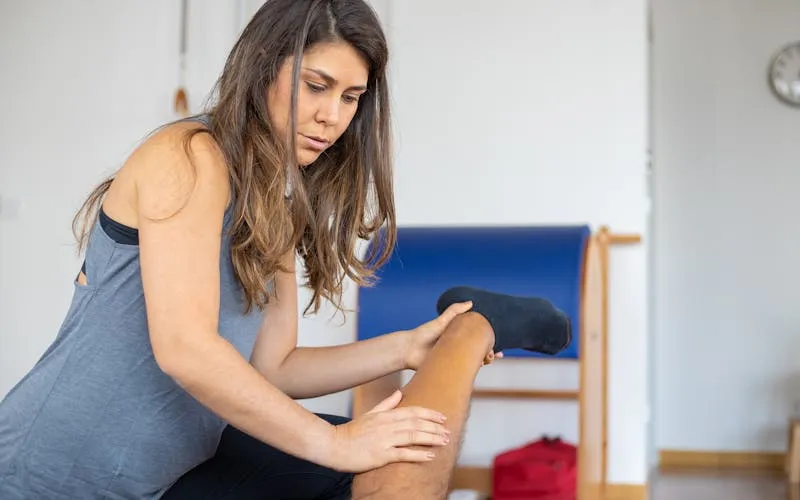
Anterior cruciate ligament (ACL) injuries are among the most feared sports injuries, requiring surgical reconstruction followed by an extensive rehabilitation period of six to twelve months. The rehabilitation protocol progresses through distinct phases, beginning with pain and swelling management, range of motion restoration, and quadriceps activation in the first few weeks. As healing progresses, the focus shifts to strengthening, proprioception training, and progressive functional exercises. The final phases involve sport-specific drills, agility training, and performance testing to ensure the athlete is ready for safe return to competition. International rehabilitation centers offer accelerated ACL recovery programs that compress the early and middle phases through intensive daily therapy, potentially reducing the overall recovery timeline by several weeks.
Rotator cuff injuries, including tears and impingement syndrome, are common in overhead athletes and can significantly impact sports performance. Post-surgical rehabilitation for rotator cuff repair follows a careful progression from passive range of motion exercises through active-assisted movements, strengthening, and eventual return to sport-specific activities. The rehabilitation process typically takes four to six months, with the quality and intensity of physiotherapy playing a critical role in outcomes. International centers like Schön Klinik München Harlaching in Germany offer specialized shoulder rehabilitation programs developed by sports medicine experts who work with professional athletes, bringing the same level of expertise to medical tourism patients at competitive prices.
Meniscus injuries and Achilles tendon repairs are additional common sports injuries that benefit greatly from intensive rehabilitation abroad. Meniscus rehabilitation after arthroscopic surgery can be significantly accelerated through daily aquatic therapy, progressive resistance training, and sport-specific agility work. Achilles tendon rehabilitation requires careful progression through protected weight-bearing, eccentric strengthening exercises, and gradual return to plyometric activities. For ankle sprains and chronic ankle instability, international programs offer comprehensive assessments including biomechanical analysis, proprioceptive training programs, and custom orthotic fabrication. The ability to address multiple aspects of recovery simultaneously through intensive daily programming makes international sports rehabilitation particularly effective for complex injuries that affect multiple structures.
Concussion rehabilitation has also emerged as an important subspecialty within sports medicine. While the acute management of concussion typically occurs at home, athletes with persistent post-concussion symptoms can benefit from specialized international rehabilitation programs that address vestibular dysfunction, cervicogenic headaches, visual processing deficits, and cognitive symptoms. These multidisciplinary programs combine physiotherapy, neuropsychological assessment, vestibular rehabilitation, and graduated return-to-exercise protocols under the supervision of experienced sports medicine physicians. The comprehensive approach available at leading international centers can help athletes with prolonged concussion symptoms return to their sport more safely and effectively than standard local care.
- ACL reconstruction rehabilitation — 6-12 month progressive protocol with sport-specific training
- Rotator cuff repair recovery — 4-6 months of shoulder-specific therapy and strengthening
- Meniscus repair rehabilitation — arthroscopic recovery with aquatic therapy and agility work
- Achilles tendon repair — eccentric strengthening, plyometric progression, gait retraining
- Ankle sprain rehabilitation — proprioception, balance training, biomechanical correction
- Concussion recovery — vestibular rehab, cognitive therapy, graduated return to play
- Stress fracture rehabilitation — activity modification, bone health optimization, gradual loading
- Tennis elbow/golfer's elbow — eccentric exercises, shockwave therapy, sport-specific modification
PRP & Regenerative Therapies Abroad
Platelet-rich plasma (PRP) therapy has become one of the most sought-after regenerative treatments in sports medicine, and its availability at international rehabilitation centers adds significant value to sports rehabilitation programs abroad. PRP therapy involves drawing a small amount of the patient's blood, concentrating the platelets through centrifugation, and injecting the platelet-rich solution directly into the injured tissue. The concentrated growth factors in PRP are believed to accelerate tissue healing, reduce inflammation, and promote cellular regeneration. In the United States, a single PRP injection costs between $500 and $2,000, while the same treatment at accredited international centers typically costs $100 to $400.
Beyond PRP, many international sports rehabilitation centers offer additional regenerative therapies that complement the rehabilitation process. Shockwave therapy (ESWT) uses acoustic waves to stimulate healing in tendons and other soft tissues, and has shown promising results for conditions such as plantar fasciitis, tennis elbow, and calcific tendinitis. Low-level laser therapy (LLLT) uses specific wavelengths of light to reduce inflammation and promote tissue repair at the cellular level. Some advanced centers also offer stem cell therapies, though patients should carefully evaluate the evidence for these treatments and ensure they are receiving treatment at reputable, regulated facilities.
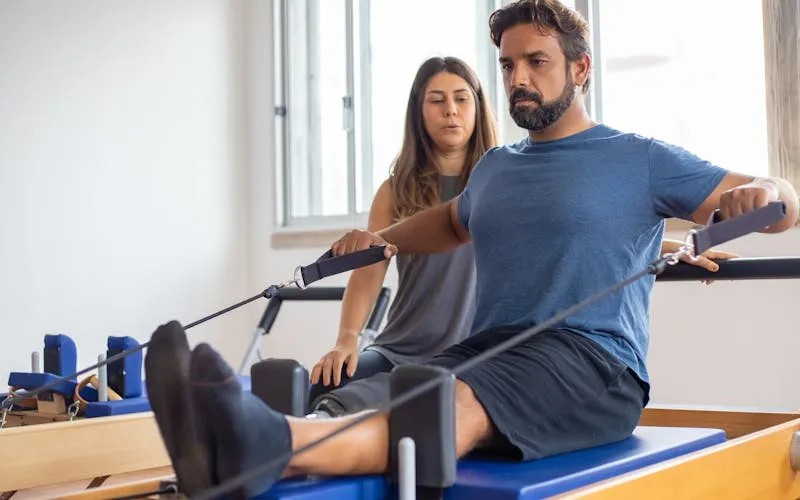
The integration of regenerative therapies into comprehensive rehabilitation programs is where international sports medicine centers truly excel. Rather than offering PRP or shockwave therapy as isolated treatments, leading centers like Doruk Nilüfer Hospital Bursa and Acıbadem Maslak Hospital incorporate these modalities into structured rehabilitation programs that also include daily physiotherapy, sport-specific training, nutritional optimization, and psychological support. This integrated approach maximizes the therapeutic benefit of each modality and creates synergistic effects that accelerate the overall recovery process. Patients receive multiple PRP sessions timed to coincide with specific phases of rehabilitation, optimizing the biological environment for tissue healing at each stage of recovery.
Cost Comparison by Country
The cost advantages of sports injury rehabilitation abroad are particularly significant given the often-lengthy rehabilitation periods required for common athletic injuries. A comprehensive four-week sports rehabilitation program in the United States, including daily physiotherapy sessions, physician consultations, and advanced modalities, typically costs between $10,000 and $18,000. Adding regenerative treatments such as PRP injections can increase the total cost by $1,000 to $5,000. For athletes requiring longer rehabilitation periods of eight to twelve weeks, the total domestic cost can easily exceed $30,000 to $50,000, creating a significant financial burden even for those with good insurance coverage.
Turkey has positioned itself as a premier destination for sports rehabilitation tourism, offering exceptional quality at remarkably competitive prices. A four-week intensive program at a top Turkish facility costs between $2,000 and $4,500, including daily physiotherapy, shockwave therapy, PRP treatments, and sport-specific functional training. Germany, while more expensive than Turkey, offers world-renowned sports medicine expertise through facilities like Schön Klinik and Medical Park Group, with four-week programs typically costing $5,000 to $10,000. South Korea provides another excellent option with strong sports medicine credentials and pricing between $3,500 and $7,000 for comparable programs.
Sports Injury Rehabilitation Cost Comparison 2025
| Country | Per Session | 4-Week Program | Savings vs USA |
|---|---|---|---|
| USA | $200 - $400 | $10,000 - $18,000 | — |
| Turkey | $40 - $90 | $2,000 - $4,500 | Up to 80% |
| Thailand | $50 - $100 | $2,500 - $5,000 | Up to 75% |
| Germany | $100 - $200 | $5,000 - $10,000 | Up to 50% |
| South Korea | $70 - $140 | $3,500 - $7,000 | Up to 65% |
| India | $25 - $60 | $1,200 - $3,000 | Up to 85% |
| Hungary | $60 - $110 | $3,000 - $5,500 | Up to 70% |
| Mexico | $45 - $90 | $2,200 - $4,500 | Up to 75% |
Prices include daily therapy, physician consultations, and facility fees. PRP injections and advanced imaging may incur additional costs.
Ready to accelerate your sports injury recovery? Get free quotes from leading sports rehabilitation centers worldwide.
Get Free QuoteReturn to Play Protocols
The ultimate goal of sports injury rehabilitation is a safe, successful return to competitive activity. International sports rehabilitation centers follow rigorous return-to-play protocols based on the latest scientific evidence and guidelines from organizations such as the American College of Sports Medicine (ACSM) and the International Olympic Committee (IOC). These protocols define specific functional criteria that must be met before an athlete is cleared for return to sport, including minimum strength ratios, range of motion targets, hop test performance, and sport-specific movement quality assessments.
A comprehensive return-to-play assessment typically includes isokinetic strength testing to evaluate muscle strength ratios between the injured and uninjured sides, functional hop tests to assess power and confidence, agility tests to evaluate cutting and pivoting ability, and sport-specific performance tests relevant to the athlete's discipline. Many international centers also conduct biomechanical analysis using motion capture technology and force platforms to identify any movement compensations that could increase reinjury risk. The thoroughness of these assessments at leading international facilities often exceeds what is available through standard domestic physiotherapy clinics.
Psychological readiness is an often-overlooked but critical component of the return-to-play process. Many athletes experience fear of reinjury, anxiety, and reduced confidence that can affect performance and increase injury risk even after physical recovery is complete. International rehabilitation programs that include sports psychology support help athletes address these psychological barriers through techniques such as visualization, cognitive restructuring, graduated exposure to sport-specific activities, and confidence-building strategies. The immersive, focused environment of an international rehabilitation program provides an ideal setting for addressing both the physical and psychological aspects of return to play.
Choosing a Sports Rehabilitation Center Abroad
When selecting a sports rehabilitation center abroad, look for facilities with specific expertise in sports medicine and athletic rehabilitation. The ideal center will have sports medicine physicians, sports physiotherapists with relevant certifications (such as SPC or SCS credentials), and ideally experience working with competitive athletes. Ask about the center's experience with your specific injury and sport, as rehabilitation approaches can vary significantly between different sports and injury types. A center that has successfully rehabilitated professional athletes may bring a level of expertise and intensity that benefits all patients.
The facility's equipment and technology are particularly important for sports rehabilitation. Look for centers equipped with isokinetic testing devices (such as Biodex or Cybex systems), biomechanical analysis capabilities, anti-gravity treadmills (AlterG), cryotherapy chambers, and sport-specific training equipment. Access to a well-equipped gymnasium, running track, and swimming pool is essential for the later stages of rehabilitation when sport-specific conditioning becomes the focus. Advanced imaging capabilities, including MRI and musculoskeletal ultrasound, should be available on-site for monitoring healing progress throughout the rehabilitation program.
After tearing my ACL, the intensive sports rehab program in Turkey was exactly what I needed. Two months of focused, daily rehabilitation with PRP therapy got me back on the field three months ahead of the timeline my surgeon at home predicted.
Carlos R., professional soccer player from Spain
Frequently Asked Questions
Frequently Asked Questions
How soon after surgery can I travel for sports rehabilitation?
Most patients can travel 2-4 weeks after arthroscopic procedures and 4-6 weeks after open surgical repairs. Your surgeon must clear you for air travel. Some patients have their surgery abroad and begin rehabilitation immediately at the same facility.
Can I continue training during rehabilitation?
Yes, most sports rehabilitation programs incorporate modified training for unaffected body parts, cardiovascular conditioning through low-impact activities, and sport-specific skills that don't stress the injury. This helps maintain overall fitness while the injured area recovers.
Is PRP therapy effective for sports injuries?
PRP has shown promising results for tendon injuries, muscle tears, and joint conditions. While research is ongoing, many studies demonstrate accelerated healing and reduced recovery times. PRP works best as part of a comprehensive rehabilitation program rather than as a standalone treatment.
What sports injuries are best suited for rehabilitation abroad?
Post-surgical rehabilitation (ACL, rotator cuff, meniscus), chronic tendon injuries, ankle instability, and post-concussion syndrome all respond well to intensive international programs. Any injury requiring 4+ weeks of regular physiotherapy can benefit from the intensive approach available abroad.
Do professional athletes really go abroad for rehabilitation?
Yes, many professional athletes and sports teams utilize international rehabilitation centers for intensive recovery blocks. Countries like Germany, Turkey, and South Korea have developed world-class sports medicine facilities that attract elite athletes from around the world.