Understanding Types of Alopecia
Alopecia encompasses a spectrum of hair loss conditions with different causes, presentations, and treatment approaches. Alopecia areata is an autoimmune condition affecting approximately 2 percent of the population, where the immune system attacks hair follicles, causing patchy hair loss on the scalp and sometimes the body. The condition can range from small, coin-sized patches to complete scalp hair loss (alopecia totalis) or complete body hair loss (alopecia universalis). The psychological impact of alopecia areata is significant, with studies showing high rates of anxiety, depression, and reduced quality of life, particularly in severe cases affecting large areas of the scalp.
Androgenetic alopecia (male and female pattern hair loss) is the most common form of hair loss, affecting up to 50 percent of men by age 50 and approximately 40 percent of women over their lifetime. Unlike alopecia areata, androgenetic alopecia is driven by genetic susceptibility and hormonal factors rather than autoimmune processes. Treatment focuses on slowing progression and potentially regrowing hair using medications such as minoxidil, finasteride (for men), and spironolactone (for women), as well as newer modalities including PRP therapy, low-level laser therapy, and hair transplantation. International dermatology centers offer comprehensive evaluation and treatment for all forms of hair loss at significantly lower cost than Western countries.
Other types of alopecia include telogen effluvium (temporary diffuse hair shedding triggered by stress, illness, or hormonal changes), traction alopecia (hair loss from chronic pulling from hairstyles), cicatricial alopecias (scarring hair loss conditions including lichen planopilaris and frontal fibrosing alopecia), and trichotillomania (hair pulling disorder). Each type requires accurate diagnosis through clinical examination, trichoscopy, blood tests, and sometimes scalp biopsy before appropriate treatment can be initiated. At Acıbadem Maslak Hospital, the dermatology department includes trichology specialists who utilize advanced diagnostic tools including digital trichoscopy and scalp biopsy to ensure accurate diagnosis and targeted treatment for all types of hair loss.
Treatment Options for Hair Loss
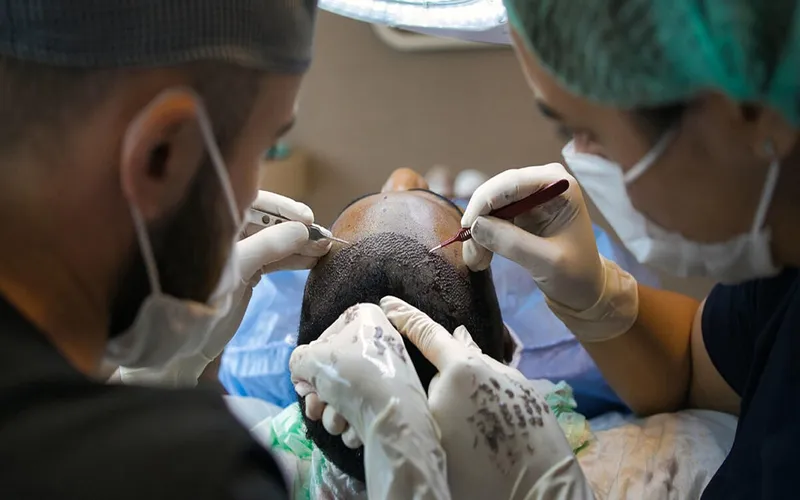
Treatment for alopecia areata has been revolutionized by the approval of JAK inhibitors, the first systemic therapy specifically approved for this condition. Prior to JAK inhibitors, treatment options were limited to intralesional corticosteroid injections for localized patches, topical immunotherapy with diphencyprone for more extensive disease, and systemic corticosteroids for severe acute episodes. While these traditional treatments remain valuable, they have significant limitations including the need for repeated injections, contact dermatitis from immunotherapy, and side effects from prolonged steroid use. The advent of JAK inhibitors has given patients with severe alopecia areata a new option with the potential for dramatic hair regrowth.
For androgenetic alopecia, the foundation of treatment includes topical minoxidil (applied to the scalp once or twice daily to stimulate hair growth) and oral finasteride (for men, blocking the conversion of testosterone to dihydrotestosterone). These medications can slow hair loss and promote regrowth in many patients when used consistently. PRP therapy, which involves injecting concentrated growth factors from the patient's own blood into the scalp, has gained popularity as an adjunctive treatment that can enhance the effects of medical therapy. Low-level laser therapy using cap or comb devices provides another option with modest but measurable improvement in hair density.
At international dermatology centers like Estethica Ataşehir Hospital, comprehensive hair loss evaluation includes detailed history, scalp examination, trichoscopy, blood work to identify contributing factors such as thyroid disorders, iron deficiency, and hormonal imbalances, and when indicated, scalp biopsy. Treatment plans are individualized based on the type and extent of hair loss, patient age and gender, and treatment goals. The combination of medical expertise, advanced diagnostic tools, and access to the full range of treatments, including JAK inhibitors at dramatically lower cost, makes international dermatology centers an attractive option for hair loss patients worldwide.
- JAK inhibitors (baricitinib, ritlecitinib) — FDA-approved for severe alopecia areata
- Intralesional corticosteroids — first-line for patchy alopecia areata
- Topical immunotherapy (DPCP) — for extensive alopecia areata
- Topical minoxidil — stimulates hair growth for multiple types of alopecia
- Oral finasteride — blocks DHT for male androgenetic alopecia
- PRP therapy — growth factor injection to stimulate follicles
- Low-level laser therapy — light-based stimulation of hair growth
- Oral spironolactone — anti-androgen for female pattern hair loss
Cost Comparison for Alopecia Treatment
Alopecia Treatment Cost Comparison 2025
| Treatment | USA Cost | Turkey Cost | Savings |
|---|---|---|---|
| Baricitinib/Ritlecitinib (annual) | $50,000 - $70,000 | $10,000 - $18,000 | Up to 78% |
| Intralesional Steroid (session) | $200 - $500 | $50 - $120 | Up to 78% |
| PRP Therapy (session) | $500 - $1,500 | $150 - $400 | Up to 75% |
| Topical Immunotherapy (course) | $1,000 - $3,000 | $250 - $700 | Up to 78% |
| Comprehensive Evaluation | $500 - $1,500 | $100 - $400 | Up to 78% |
| Minoxidil + Finasteride (annual) | $500 - $2,000 | $100 - $400 | Up to 80% |
JAK inhibitor costs reflect annual treatment. PRP therapy typically requires 3-6 sessions. Alopecia areata treatments vary by extent of hair loss.
The cost savings for alopecia treatment abroad are particularly dramatic for JAK inhibitor therapy. Baricitinib and ritlecitinib, the only FDA-approved systemic treatments for severe alopecia areata, cost $50,000 to $70,000 per year in the United States. In Turkey, the same medications are available for $10,000 to $18,000 per year, representing savings of up to 78 percent. Even traditional treatments like intralesional corticosteroids and PRP therapy offer significant savings, with sessions costing $50 to $400 in Turkey compared to $200 to $1,500 in the US.
Dealing with hair loss? Get free quotes from dermatology centers specializing in alopecia treatment.
Get Free QuoteJAK Inhibitors: A Breakthrough for Alopecia Areata
Janus kinase inhibitors represent the most significant advance in alopecia areata treatment in decades. These medications work by blocking the JAK-STAT signaling pathway that drives the immune attack on hair follicles, allowing the follicles to recover and resume normal hair production. Baricitinib, approved for adults with severe alopecia areata, demonstrated hair regrowth of 80 percent or greater scalp coverage in approximately 35 to 40 percent of patients after 36 weeks of treatment. Ritlecitinib, approved for patients 12 years and older, showed similar response rates. For many patients who have lived with severe hair loss for years or decades, JAK inhibitors offer the first realistic hope of meaningful hair regrowth.
Accessing JAK inhibitors at affordable prices is a primary motivation for alopecia areata patients seeking treatment abroad. At Acıbadem Maslak Hospital, these medications are prescribed and monitored by dermatologists with experience in managing both the treatment and its potential side effects, including monitoring for infection, blood count changes, and lipid level alterations. International patients can initiate treatment abroad and, with appropriate coordination, continue treatment at home with medication obtained through international pharmacies or during periodic return visits.
PRP Therapy for Hair Loss
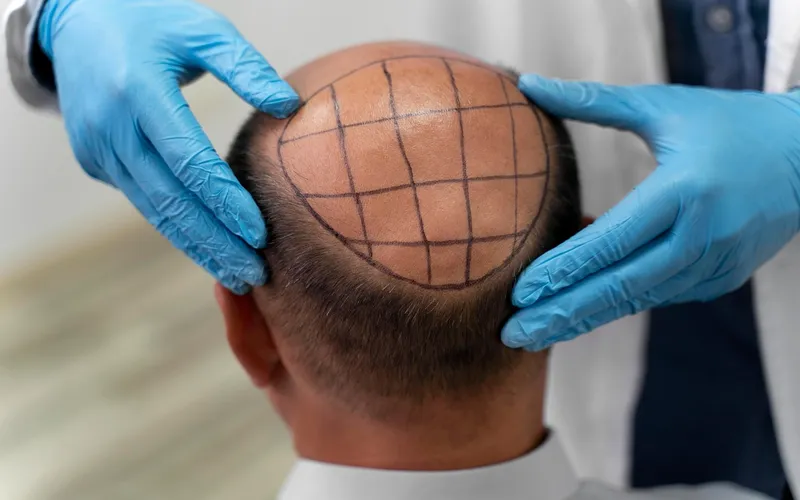
Platelet-rich plasma therapy has emerged as a popular treatment for both androgenetic alopecia and alopecia areata, offering a natural, autologous approach to stimulating hair growth. The procedure involves drawing a small amount of the patient's blood, processing it in a centrifuge to concentrate the platelets and growth factors, and injecting the resulting PRP directly into the scalp at the level of the hair follicles. The concentrated growth factors including platelet-derived growth factor, vascular endothelial growth factor, and insulin-like growth factor stimulate follicular stem cells, promote blood vessel formation, and extend the growth phase of the hair cycle.
Clinical studies support the efficacy of PRP for both types of hair loss, with most patients showing increased hair density, thickness, and coverage after three to six monthly sessions followed by quarterly maintenance treatments. Response rates vary, with studies reporting 30 to 70 percent improvement in hair density depending on the preparation method, injection technique, and treatment protocol used. At international centers like Estethica Ataşehir Hospital, PRP sessions cost $150 to $400 compared to $500 to $1,500 in the US, making it feasible for patients to receive the recommended course of six initial treatments followed by maintenance sessions at a fraction of the domestic cost.
Long-Term Hair Loss Management
Managing hair loss is a long-term commitment that requires ongoing treatment, monitoring, and adjustment. For alopecia areata, JAK inhibitor therapy must be continued to maintain regrowth, as hair loss typically returns when treatment is discontinued. Regular monitoring with blood tests ensures medication safety, and periodic dermatological assessment evaluates treatment response and adjusts the management plan as needed. For androgenetic alopecia, consistent use of medical therapy slows progression and maintains gains, with treatment typically needed indefinitely to prevent resumed hair loss.
International patients who initiate hair loss treatment abroad should establish a plan for ongoing management with their local dermatologist. The treating international center provides comprehensive records including diagnosis, treatment rationale, medication details, monitoring schedules, and follow-up recommendations. Many patients establish a pattern of annual or biannual visits to their international dermatologist for comprehensive assessment and treatment optimization, combined with local monitoring and medication management between visits. Telemedicine consultations with centers like Acıbadem Maslak Hospital provide an additional avenue for ongoing care coordination without the need for travel.
After losing all my hair to alopecia totalis, JAK inhibitor treatment in Istanbul gave me back my hair — and my life. The medication that costs $60,000 a year in the US costs me $12,000 in Turkey. I travel twice a year for monitoring and medication.
Rachel W., alopecia areata patient from the US
Frequently Asked Questions
Frequently Asked Questions
Can alopecia areata be permanently cured?
Currently there is no permanent cure, but JAK inhibitors can produce significant hair regrowth in many patients. Treatment must be continued to maintain results. Some patients experience natural remission, and new therapies under development may offer longer-lasting solutions.
How effective is PRP for hair loss?
PRP typically produces 30-70% improvement in hair density after a course of 3-6 sessions. Results vary by patient and hair loss type. PRP is most effective as an adjunctive treatment combined with medical therapy rather than as a standalone treatment.
At what age can children receive alopecia treatment?
Treatment options for children include topical corticosteroids (all ages), intralesional steroids (age 6+), topical immunotherapy (age 6+), and ritlecitinib JAK inhibitor (age 12+). Treatment decisions are made individually based on disease severity and impact on the child.
How long do I need to stay abroad for alopecia treatment?
For initial evaluation and treatment start, 3-5 days. For PRP therapy, plan individual sessions of 1-2 hours each, spaced monthly — you can start during one visit and continue at home. For JAK inhibitor initiation with baseline monitoring, 1-2 weeks.
Will hair regrowth from JAK inhibitors be permanent?
Hair regrowth typically continues as long as the medication is taken. Current data shows that hair loss may return within months of discontinuing treatment. Research is ongoing to determine if some patients may achieve lasting remission after a period of treatment.